Confirmed Plenary Speakers

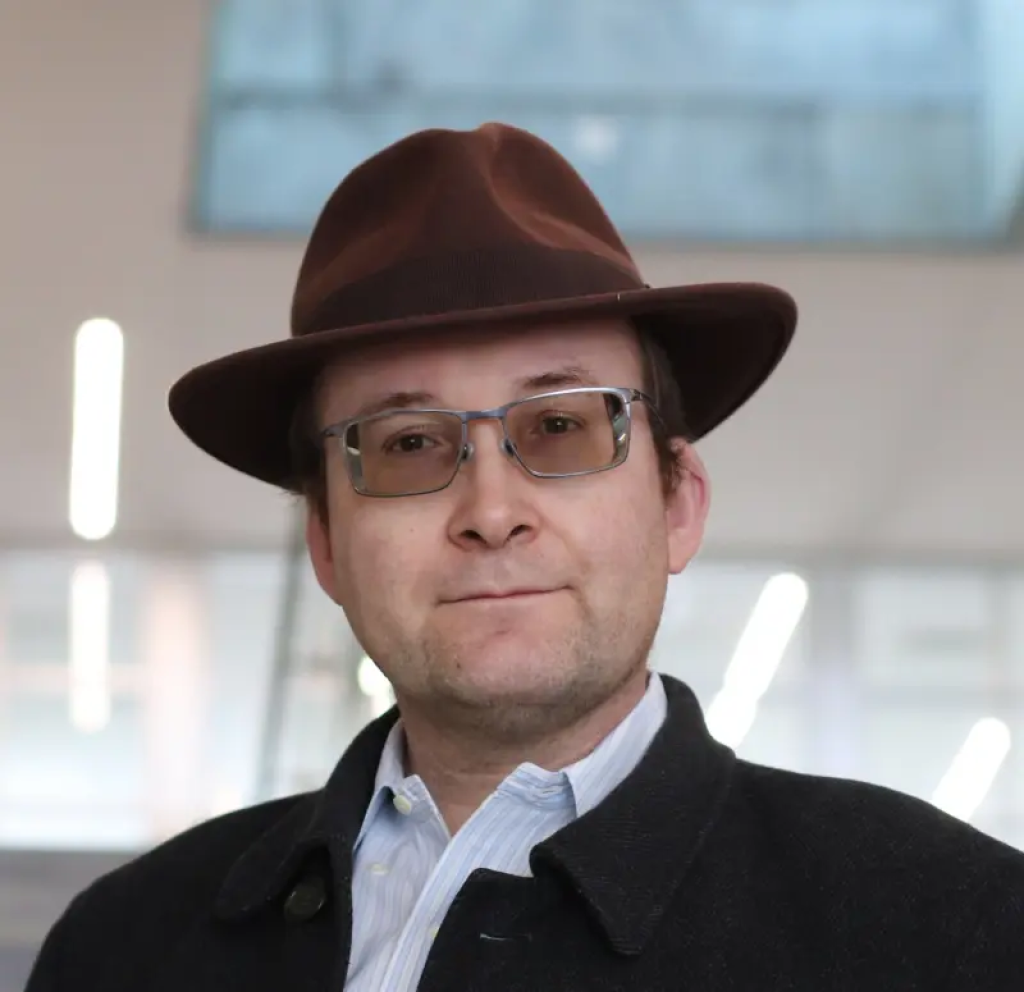
Machine Learning-Enabled Quantitative Piezoresponse Force Microscopy: The Key for Rapid Materials and Physics Discovery

Sergei Kalinin

University of Tennessee, Knoxville

Plenary Speaker

Sergei Kalinin is a Weston Fulton Chair Professor at the University of Tennessee, Knoxville. In 2022–2023, he was a Principal Scientist at Amazon Special Projects (Moonshot Factory). Prior to that, he spent 20 years at Oak Ridge National Laboratory, where he was a Corporate Fellow and Group Leader at the Center for Nanophase Materials Sciences. His research focuses on the application of machine learning and artificial intelligence methods in piezoresponse force microscopy and electron microscopy for characterization of ferroelectric and electrochemical phenomena on the nanometer and atomic scales. At UTK, his team has realized fully AI-controlled SPM and STEM systems and co-orchestration workflows between multiple characterization tools for scientific discovery.

Sergei has co-authored over 650 publications, with ~60,000 citations and an h-index of ~121. He is a Fellow of NAI, Academia Europaea, AAAS, RSC, AAIA, MRS, APS, IoP, IEEE, the Foresight Institute, and AVS. His honors include the Feynman Prize (2022), Blavatnik Award for Physical Sciences (2018), RMS Medal for Scanning Probe Microscopy (2015), Presidential Early Career Award for Scientists and Engineers (2009), Burton Medal of the Microscopy Society of America (2010), and five R&D 100 Awards (2008, 2010, 2016, 2018, 2023), among many others. He is a founder and, for more than 15 years, organizer of the PFM Workshop series, now part of ISAF, and is widely recognized as a leading figure in AI-driven microscopy and autonomous experimentation in materials science.
Advances in Ferroelectric-, Antiferroelectric-, and Relaxor-based Thin Films and Heterostructures

Lane W. Martin

Rice University

Plenary Speaker

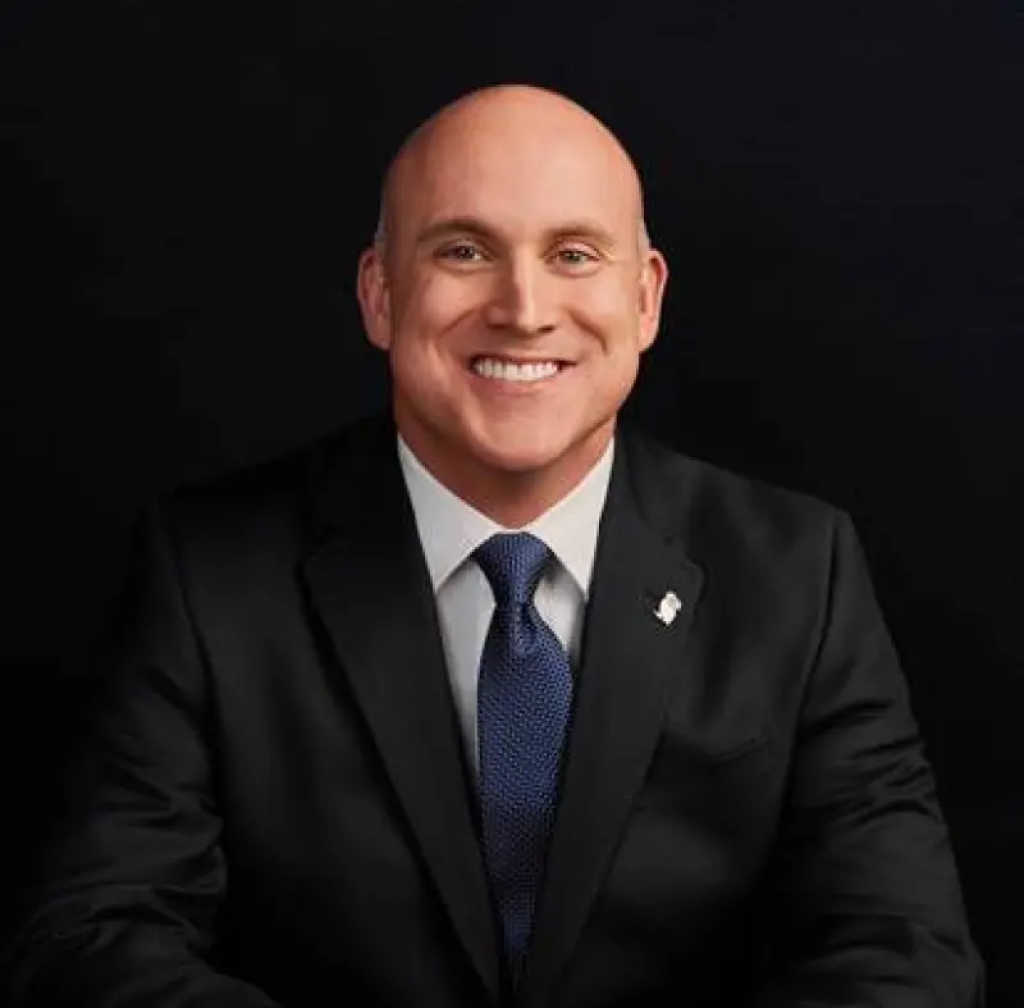
Lane W. Martin is the Director of the Rice Advanced Materials Institute and the Robert A. Welch Professor of Materials Science and NanoEngineering, Chemistry, and Physics and Astronomy at Rice University. He is also a Faculty Senior Scientist in the Materials Sciences Division at Lawrence Berkeley National Laboratory. Lane received his B.S. in Materials Science and Engineering from Carnegie Mellon University in 2003 and his M.S. and Ph.D. in Materials Science and Engineering from the University of California, Berkeley in 2006 and 2008, respectively. Following his Ph.D., he was a Postdoctoral Fellow in the Quantum Materials Program at Lawrence Berkeley National Laboratory (2008–2009).

Lane began his academic career as an Assistant Professor in the Department of Materials Science and Engineering at the University of Illinois Urbana–Champaign (2009–2014) before returning to UC Berkeley as Associate Professor (2014–2018) and then Professor (2018–2023). At Berkeley, he served as Vice/Associate Chair of the department, later as Chancellor’s Professor and Chair of Materials Science and Engineering, and as both Secretary and elected Chair of the Faculty of the College of Engineering. He joined Rice University in July 2023.

Lane’s research focuses on advancing the synthesis, characterization, and control of emergent functionality in complex oxide materials through epitaxial thin films, strain, defect, and interfacial engineering. He has published over 315 papers, with ~37,000 citations (h-index = 87), and is a multiple-time Highly Cited Researcher. His work has been recognized with numerous honors, including the Richard M. Fulrath Award from the American Ceramic Society (2025), Defense Science Study Group (2022–2024), the Advanced Materials Hall of Fame (2022), IEEE-UFFC Society Ferroelectrics Young Investigator Award (2019), Robert L. Coble Award for Young Scholars (2016), American Association for Crystal Growth Young Author Award (2015), Presidential Early Career Award for Scientists and Engineers (2014), Dean’s Award for Research Excellence at Illinois (2013), National Science Foundation CAREER Award (2012), Army Research Office Young Investigator Award (2010), and others. Lane is a Fellow of the Materials Research Society (2024), the American Ceramics Society (2023), and the American Physical Society (2022) and he is a Senior Member of IEEE. He also serves on the Board of Directors of the Materials Research Society and is a member of the Executive Advisory Board of Advanced Materials (Wiley).

AI and Microscopy for Ferroelectric Materials

Seungbum Hong.

Seungbum Hong

KAIST

Plenary Speaker

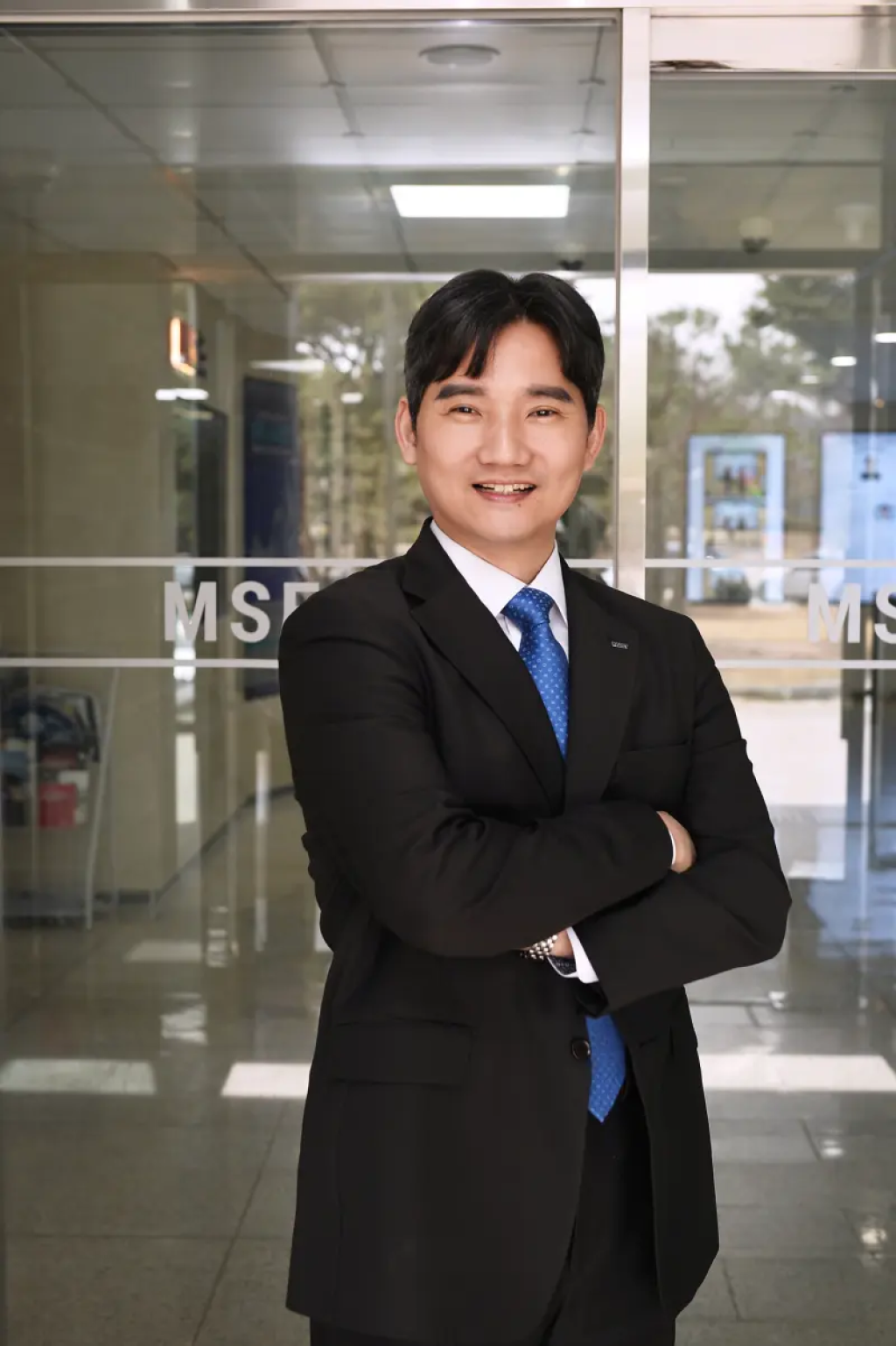
Prof. Seungbum Hong graduated summa cum laude with a B.S. from the Korea Advanced Institute of Science and Technology (KAIST) in 1994 and received his Ph.D. in the field of nanoscale observation of ferroelectric thin films at KAIST in 2000. After a year of post-doc experience at EPFL in Switzerland from 2000 to 2001, he joined the probe storage project team as a project leader at Samsung Advanced Institute of Technology from 2002 to 2007. In 2007, he moved to Argonne National Laboratory as a tenured staff scientist and worked as a principal investigator in local domain and transport studies of oxide heterostructures and polymer ferroelectrics using atomic force microscopy until 2017. In 2017, Prof. Hong joined KAIST as an associate professor with tenure in the Department of Materials Science and Engineering (DMSE) and created the Materials Imaging and Integration (MII) Lab. He was promoted to full professor in 2021 and served as the department head of DMSE from 2021 to 2024. He is currently the vice president in the office of academic affairs and the institution’s Global Competitiveness Advisor. He has led the Global Singularity Project of Materials and Molecular Modeling, Imaging, Informatics and Integration (M3I3) at KAIST from 2019 to 2023, and he is leading the STEAM Project on Development of AI-based Multiscale Data Integrative Lithium-ion Secondary Battery Engineering Platform from 2023 to 2027.

He has broad experience in linking fundamental science with industrial applications (232 peer-reviewed journal papers, 5 book editions, 8 book chapters, 79 patents) with profound knowledge in nanoscale characterization of ferroelectric and piezoelectric materials. He has been invited to major conferences or universities, has been awarded the Young Investigator Outstanding Achievement Award from the International Symposium on Integrated Ferroelectrics in 2008, was elected as the Frontier Scientist by the Korean Academy of Science and Technology in 2014, and has worked as a symposium organizer in MRS Spring 2006 and 2008, MRS Fall 2010, and APS March Meeting 2013 and as a General Chair of Asia-Pacific PFM 2019 Workshop, and PFM General Chair of Joint Conference of the IEEE International Frequency Control Symposium & IEEE International Symposium on Applications of Ferroelectrics (ISAF) in 2020 and IEEE ISAF-PFM in 2025.

He visited EPFL as an invited professor in 2014 and was appointed a senior fellow by Northwestern Argonne Institute of Science and Engineering from 2016 to 2018. He was the chair of the CNM user executive committee in 2015 and worked as a member of the MSD colloquium committee at Argonne National Laboratory and the Vision 2031 committee member at KAIST from 2017. He is currently serving the PFM International Advisory Board since 2018.

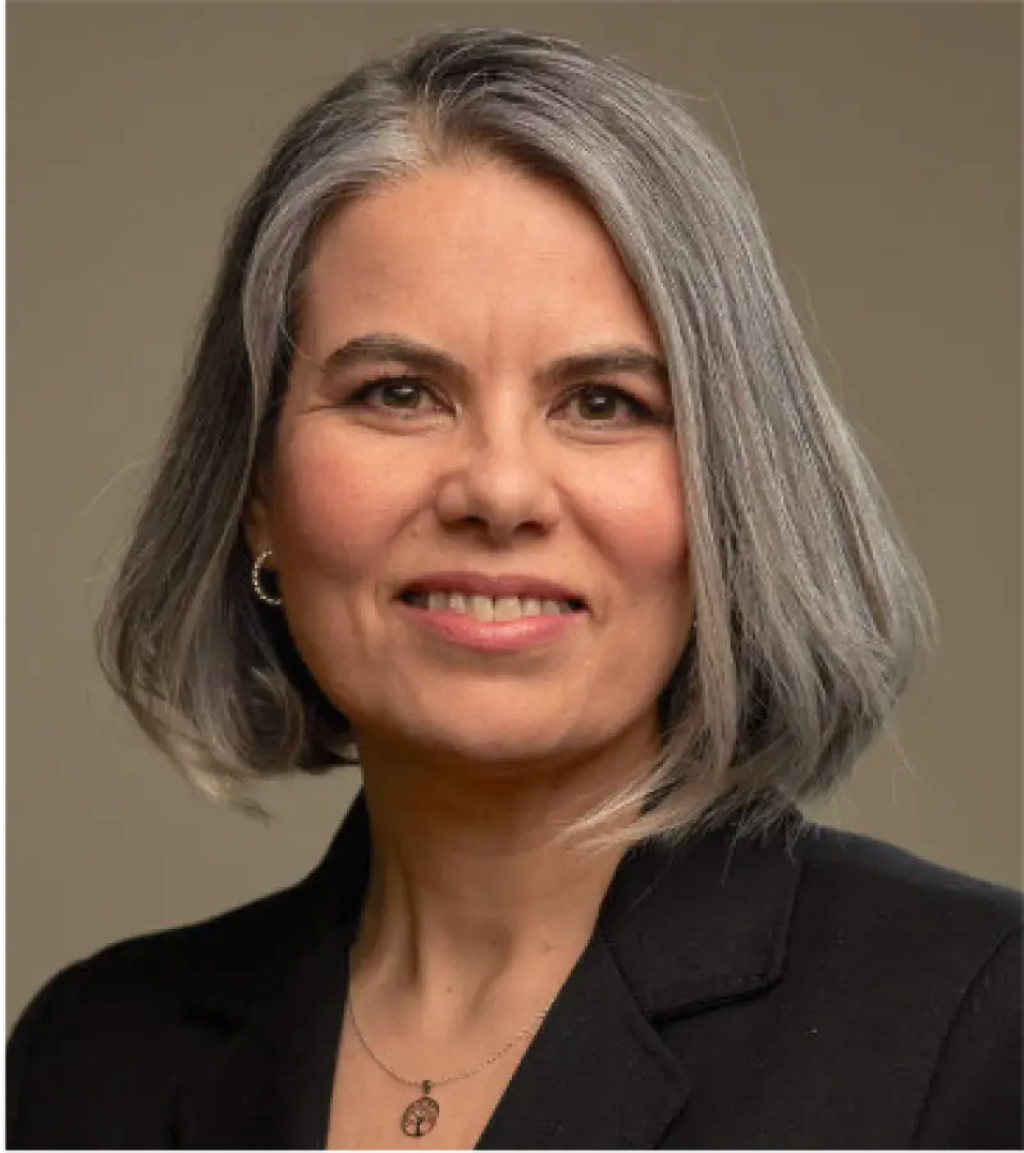
A Materials Perspective on Emergent Ferroelectric Memories

Beatriz Noheda

University of Groningen

Plenary Speaker

Beatriz Noheda is a Full Professor of Physics at the University of Groningen, The Netherlands, where she chairs the Solid State Materials for Electronics group at the Zernike Institute for Advanced Materials. She received her Ph.D. in Physics from the Universidad Autónoma de Madrid in 1996. Following her doctoral studies, Beatriz held research positions at the Clarendon Laboratory at the University of Oxford and Vrije Universiteit Amsterdam, and served as a tenure-track Assistant Physicist at Brookhaven National Laboratory, where she was also a beamline scientist at the National Synchrotron Light Source. She joined the University of Groningen in 2004 as a Rosalind Franklin Fellow and was appointed Full Professor in 2014.

Beatriz’s research focuses on the physics of ferroelectric, piezoelectric, and multiferroic materials, with particular emphasis on symmetry, phase transitions, and domain nanostructures in complex oxides and thin films. Her work has led to seminal advances in the understanding of giant piezoelectricity in lead zirconate titanate and ferroelectric relaxors, as well as low-symmetry phases underlying enhanced electromechanical responses, bridging fundamental condensed-matter physics and functional materials design. More recently, her interest has expanded to emergent memory devices and learning in-materio, also with ferroelectrics as her main focus.

Beatriz has authored more than 150 peer-reviewed publications and is a frequent invited speaker at major international conferences, including numerous plenary and keynote lectures. Her contributions have been recognized with the IEEE Robert E. Newnham Ferroelectrics Award, and she is a Fellow of the American Physical Society. She is an elected member of the Netherlands Academy of Technology and Innovation (AcTI) and a Senior Member of IEEE. Beatriz has held extensive leadership and service roles, including membership on the Board of Reviewing Editors of Science and editorial boards of several leading journals. From 2018 to 2025, she served as the founding Director of the Groningen Cognitive Systems and Materials Center (CogniGron), and she continues her work there as a principal investigator.

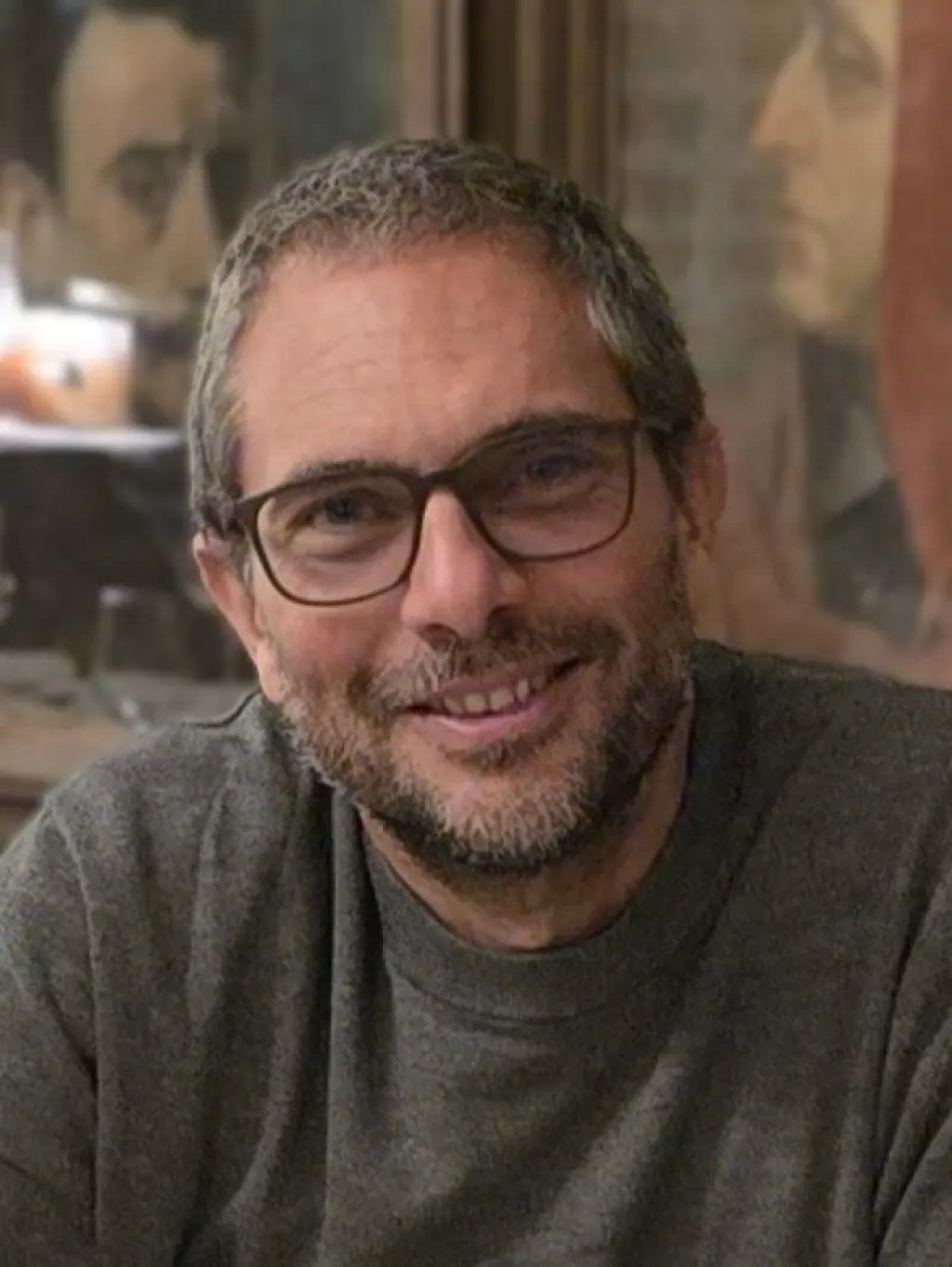
From Ferroelectrics to Ferroionics: Nanoscale Coupling of Polar Order and Ionic Transport

Vincenzo Esposito

Technical University of Denmark

Plenary Speaker

Vincenzo Esposito is a Professor of Ceramic Science and Engineering Materials in the Department of Energy Conversion and Storage at the Technical University of Denmark (DTU), where he leads research on functional oxides and coupled electro-chemo-mechanical phenomena. He received his M.Sc. degree in Materials Science from the University of Padova and completed his Ph.D. through an international doctoral program involving Italian institutions and the University of Florida.

His research spans the synthesis, design, and nanoscale characterization of oxides with coupled polar, ionic, and mechanical degrees of freedom. A particular focus is on ferroelectrics, ferroionics, and non-classical electromechanical responses in thin films and heterostructures, and on how nanoscale architecture and defect engineering enable emergent functional coupling mechanisms. His group integrates advanced materials processing with operando nanoscale probes to address both fundamental questions and device-relevant challenges in electroactive materials.

Vincenzo has published more than 200 peer-reviewed articles, with more than 4,400 citations and an h-index of 37, including work in leading journals, reflecting sustained influence in ferroelectrics, functional oxides, and nanoscale electromechanical materials. He is an IEEE Senior Member, actively engaged in international and interdisciplinary research initiatives, and contributes to graduate education and mentoring in materials science and electroceramics.